The National Economic Empowerment Fund (Neef) has asked Parliament to partially lift a suspension that bars it from disposing of over‑purchased farm inputs, warning continued delay could lead to more losses as perishable stocks deteriorate.
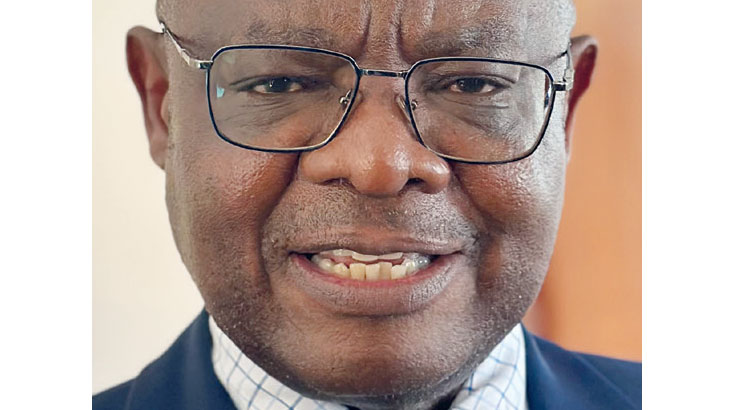
Neef chief executive Kayisi Sadala wrote to Parliament on March 9 2026, asking that the ban be eased to allow the fund to sell time‑sensitive items, including seeds, chemicals and fertilisers, rather than let them spoil while a forensic audit is completed..
deteriorate
Parliament’s Public Accounts Committee (PAC) had on February 12 2026 ordered a halt to planned auctions, citing concerns that disposal could be abused to benefit a few individuals.
But in his letter to Clerk of Parliament Fiona Kalemba, Sadala noted that further delays in disposing of the inputs may lead to avoidable losses totalling K15 billion.
He said the ongoing forensic audit at the institution means they cannot lend out the inputs to beneficiaries until the process is completed.
Sadala observed the audit may take up to three months with most inputs experiencing progressive degradation due to storage limitations and their natural lifespan.
“A considerable portion of these items are perishable and highly susceptible to rapid deterioration, including but not limited to seeds, agricultural chemicals and fertilisers. Should the suspension remain in place throughout the duration of the audit, there is a significant risk these assets may lose most, if not all, of their value, thereby resulting in avoidable losses to the public purse—an outcome that neither Parliament nor the Fund would wish to see.
“We fully appreciate the need to maintain the integrity of the ongoing audit process. We, therefore, propose that all non-perishable assets, including irrigation equipment and other durable items, remain under suspension until the completion of the forensic audit and the consultation and due diligence process that we are already undertaking with Parliament. Thereafter, with guidance from the Honourable House, these assets may be considered for disposal or alternative utilisation through structured and transparent mechanisms, including loan arrangements,” he added.
Neef has 210 000 kilogrammes of assorted maize seed, 23 530 kilogrammes bean seed, chemical and liquid fertilisers, solar water pumps, irrigation systems and sprayers.
PAC chairperson Baba Steve Malondera said the inputs should not be sold until all due diligence is completed, including appearances by the Treasury and the Public Procurement and Disposal of Assets (PPDA) to justify the use of an auction for goods that were purchased at commercial prices.
He said he is yet to be furnished with Neef’s request, but said the committee will meet the relevant stakeholders to chart the way forward.
Malondera argued that items bought at commercial prices should not be sold at auction prices as this could create room for abuse and lead to losses for Neef.
Centre for Social Accountability and Transparency (Csat) executive director Willy Kambwandira doubts the credibility of involving Parliament considering that most lawmakers were also beneficiaries of Neef loans.
He said that revelations that members of Parliament, including PAC, are themselves beneficiaries of loans erodes the legitimacy of oversight and their actions risk being perceived as self-protection or selective enforcement which undermines institutional credibility and sends a dangerous signal that political power can shield individuals from accountability.
“There must be full public disclosure of all beneficiaries with strict enforcement of repayment or offsetting proceeds to restore credibility,” said Kambwandira
Neef says it is sitting on K12 billion worth of unpaid invoices for farm inputs, which it had hoped to recover through the sale.
The invoices include the Smallholder Fertiliser Revolving Fund of Malawi (SFFRFM), which it owes K2.5 billion as well as several seed manufacturing companies and individual suppliers.
A Neef report issued in September last year shows that between April and September 2025, the institution issued K62 billion in micro-irrigation and livestock loans, reaching 123,279 farmers.